


Last week, my friend Cédric tagged me on a LinkedIn post about AI-generated vertical dramas coming out of China. The ones with cats fighting other cats. Melodramatic cat soap operas. Revenge arcs, love triangles, betrayals. All AI-generated. One of them hit 150 million views.
Now, another friend of mine works on naralive.com, a platform that tells stories with AI. And I’ve been annoying everyone around me about vertical drama for months. The plan was to make something great and just drop it on them. I love it when a plan comes together. (I watch too much A-Team.)
Nobody saw anything in the end. Here’s why I thought I could.
Not because I’m a vertical drama expert (although, funny story, I literally wrote a 100-page report on the vertical drama industry). Not because I know anything about animation. But because I happen to have self-published a novel about cats.
Yes. A novel. About cats. On Amazon. It’s called Les Veilleurs Félins. A one-eyed ginger street cat named Mistral (yes, like the French AI company, no, I didn’t do it on purpose, the novel came first) who roams the rooftops of Nantes at night and protects the broken humans below. Inspired by the “cat distribution system” trend on TikTok, where cats supposedly choose their owners. I took that concept and made it dark. No romance, no sex, but a cat who swears a lot in his inner monologue.
(Side note: I’ve had cats my entire life. I also had a dog once, a chubby little girl. Probably the animal that loved me the most in my life. She’s gone now. So are most of the cats. Cats don’t have nine lives. We have nine lives of cats.)
I’d actually done a test before, at my previous job at Trace. Five scenes, ten seconds each, prompts almost one-shot. It worked. I was confident. Way too confident.
So I reread my notes on how vertical dramas are made, grabbed the first chapter of the book, and went for it. Just me, Claude Code, and a credit card.
The Plan
I wrote a proper storyboard. 14 shots. The teaser opens at 3am on the rooftops of Nantes. Mistral hears a man crying in an apartment below. The man (Marc, a war photographer with PTSD) moves toward the window. Mistral decides: not on my territory. Not tonight.
Dark, moody, graphic novel aesthetic. Blue-black nights, amber streetlights, rain everywhere. Mistral’s inner voice appears as scratched text on screen (not voiceover, text overlay, like graffiti made by a claw).
The technical idea: two AI video models, one for shots that needed synchronized audio, one for pure visual quality. I’d seen the demos. Seedance had Brad Pitt and Tom Cruise beating each other up. Veo had that Darren Aronofsky AI trailer. Tier one models. My logic was simple: pick the best models, and you need less prompting. It had worked the first time. My credit card was feeling confident too.
Claude Code would orchestrate the whole pipeline, generating keyframes, animating them, assembling the final cut. (For the nerds: Seedance 1.5 Pro via fal.ai, Veo 3.1 via Gemini, keyframes with FLUX Pro and Imagen 4, assembly with FFmpeg.)
Budget estimate: around 81 euros.
Where It Went Sideways
The keyframes came out mixed. Some were great. The close-up of Mistral’s eye had proper comic book energy: ginger, scarred, intense, rain-drenched.
Then it all started falling apart.
One shot generated parasitic text. Random English words burned into the image: “NANTES. MIDNIGHT. THE RAIN NEVER STOPS.” The AI decided to add its own subtitles. Thanks, I didn’t ask.
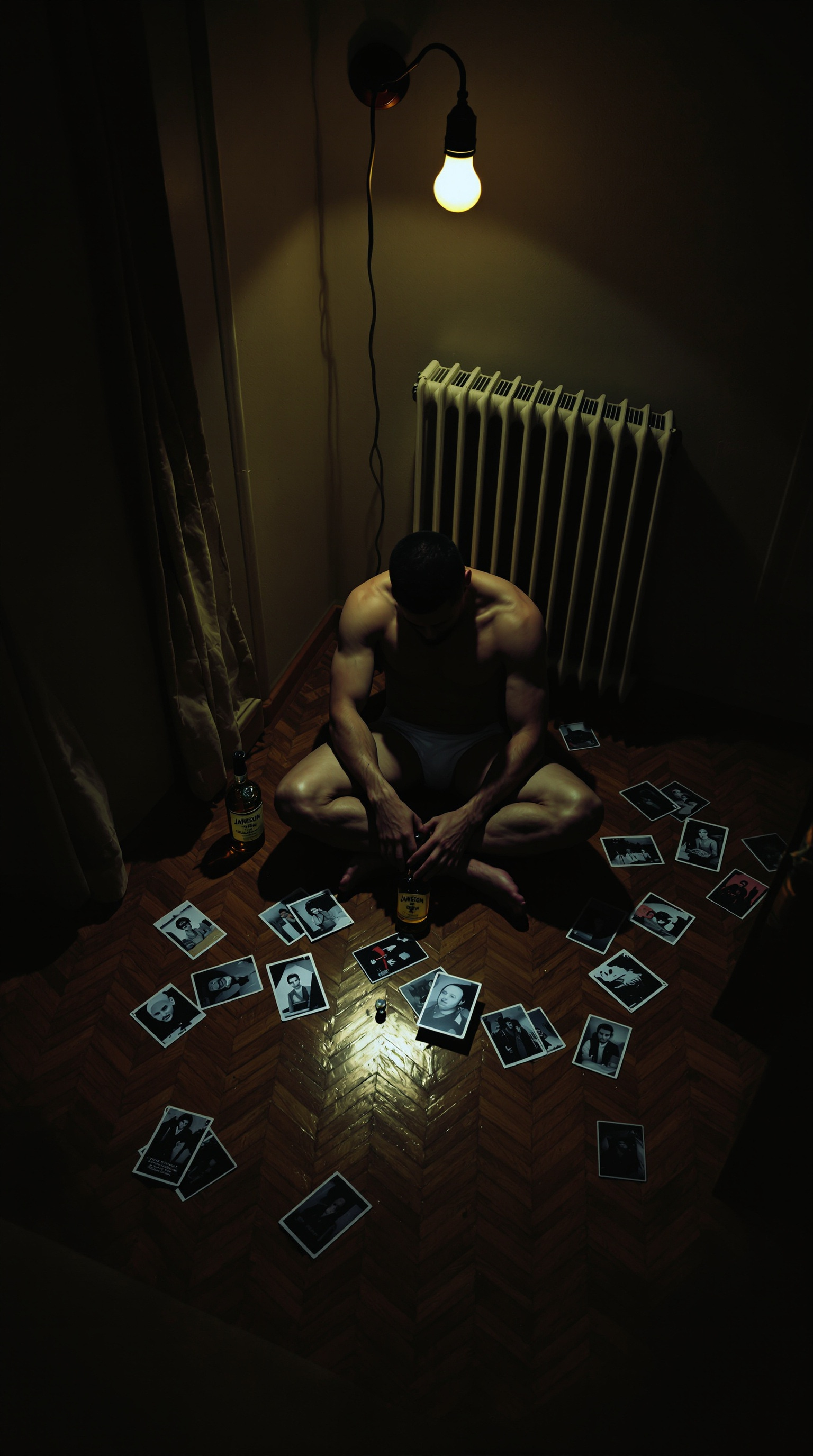
Another shot: Marc was supposed to be an ordinary man, broken, sitting on the floor in his underwear next to a radiator and a bottle of Jameson. The AI made him look like he benches 120kg. Wrong vibe for a guy on the edge.
The next shot was supposed to be the emotional core. Marc holding a photo of Rashid, an Afghan kid who died in front of his camera. Marc is crying. His hand is trembling. That’s the reason he has PTSD, the reason he’s drinking alone at 3am, the reason he’s at the window. The whole dramatic engine.
First problem: the AI plastered “SHADOWS OF KABUL” across the bottom of the image, like a movie poster nobody asked for. Fine, fixable.
Second problem: not fixable.
The more I tried to generate this shot (a grieving adult man, crying, holding a photo of a child), the more the AI decided this was... suspicious content. I’ll spare you the details, but the safety filters were clearly interpreting “distraught man obsessing over photo of child” in a direction that had nothing to do with war photography. Every iteration made it worse. The framing got creepier. The lighting got creepier. The AI was turning my traumatized war correspondent into something deeply uncomfortable, because it couldn’t tell the difference between grief and predation.
This is a scene from a published novel. A man mourning a child he couldn’t save. The AI couldn’t generate it without making it look like evidence from a very different kind of crime.
In the end I gave up and changed Rashid to an adult in the prompt. At least a man crying over a photo of another man just looks like a breakup. Being gay is normal. Being a war photographer with PTSD apparently isn’t, as far as AI is concerned.
Then there was the eye problem.
Mistral is a one-eyed cat. That’s his whole thing. He’s borgne (one-eyed, for the non-French speakers), scarred, battle-worn. The missing eye IS the character.
Seedance would not make a one-eyed cat.
I spent an hour on this. AN HOUR. I tried every prompt I could think of. “One-eyed cat.” “Cat with left eye missing.” “Cat with empty eye socket, scarred face.” Every single time, the model would start the animation with something that looked vaguely like a damaged eye, and then mid-scene, the eye would just... heal. Like a tiny miracle happening in real time. Frame 1: scarred, squinting, almost borgne. Frame 12: both eyes open, perfectly healthy, looking like a cat food commercial.
Somewhere in the safety layers of this model, there’s a rule that says all cats must have two functioning eyes. No override possible.
Fine. Two eyes. Whatever. Mistral has two eyes in the teaser. Which means Mistral is not Mistral.
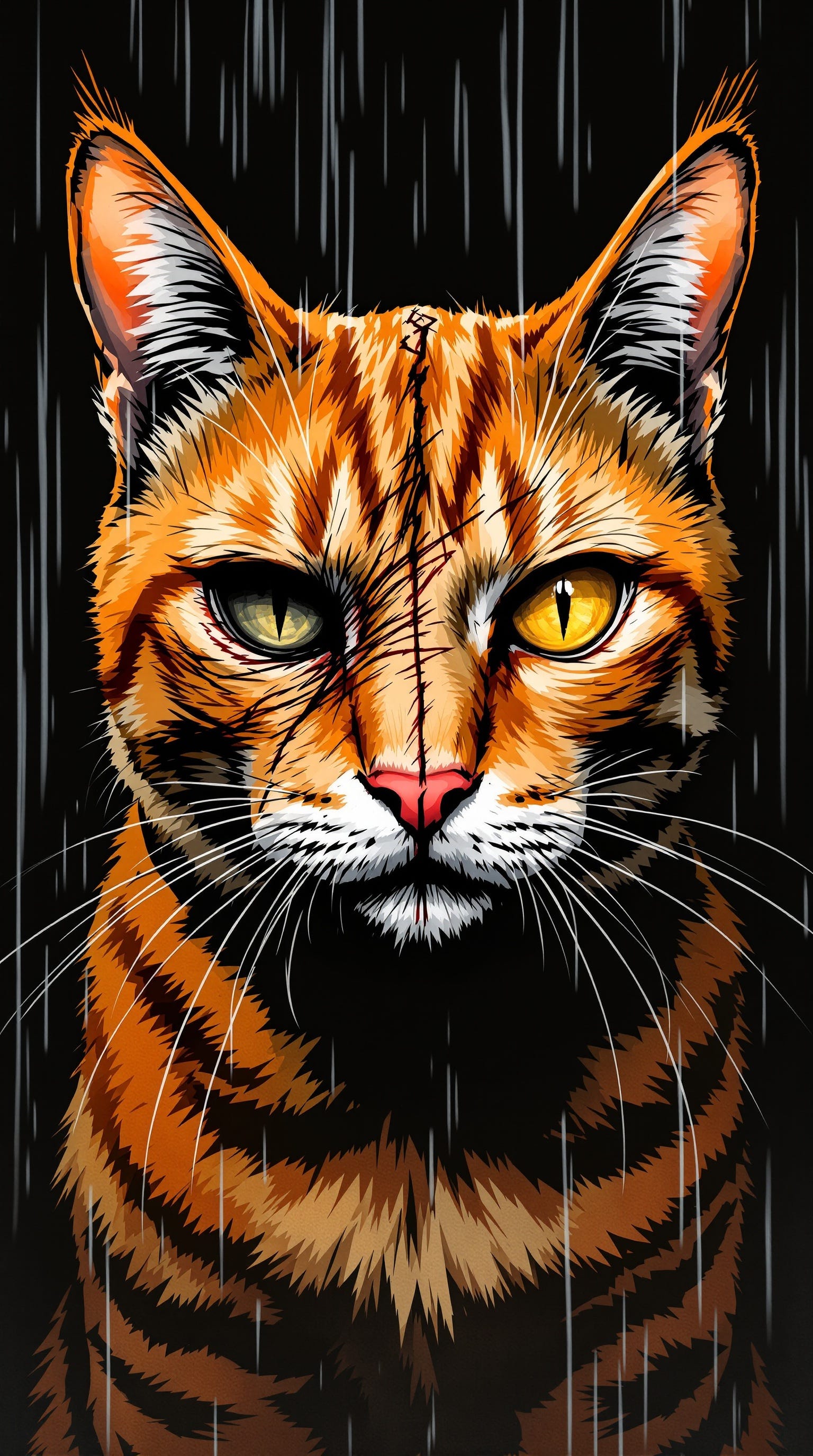
(If you can’t make a one-eyed cat, how are you supposed to make anything with any edge at all? Every interesting character has a scar, a limp, a missing something. If the safety filters won’t let you depict imperfection, you’re making content for toothpaste ads. I hope professional creators have access to uncensored models, because this is unusable for actual storytelling.)
Then Marc needed to appear again, later in the teaser. Marc is white in the novel and in the earlier keyframes. The model generated a Black man. Shirtless, ripped, looking like he trains twice a day. Not only can AI not keep a character consistent across shots, it changed my character’s entire ethnicity mid-teaser AND gave him abs. I’m Black, and I can make little waves with my belly. My abs are well hidden. AI has a selection bias. Blacksad became Black Sad. (I’m sorry. I had to.)
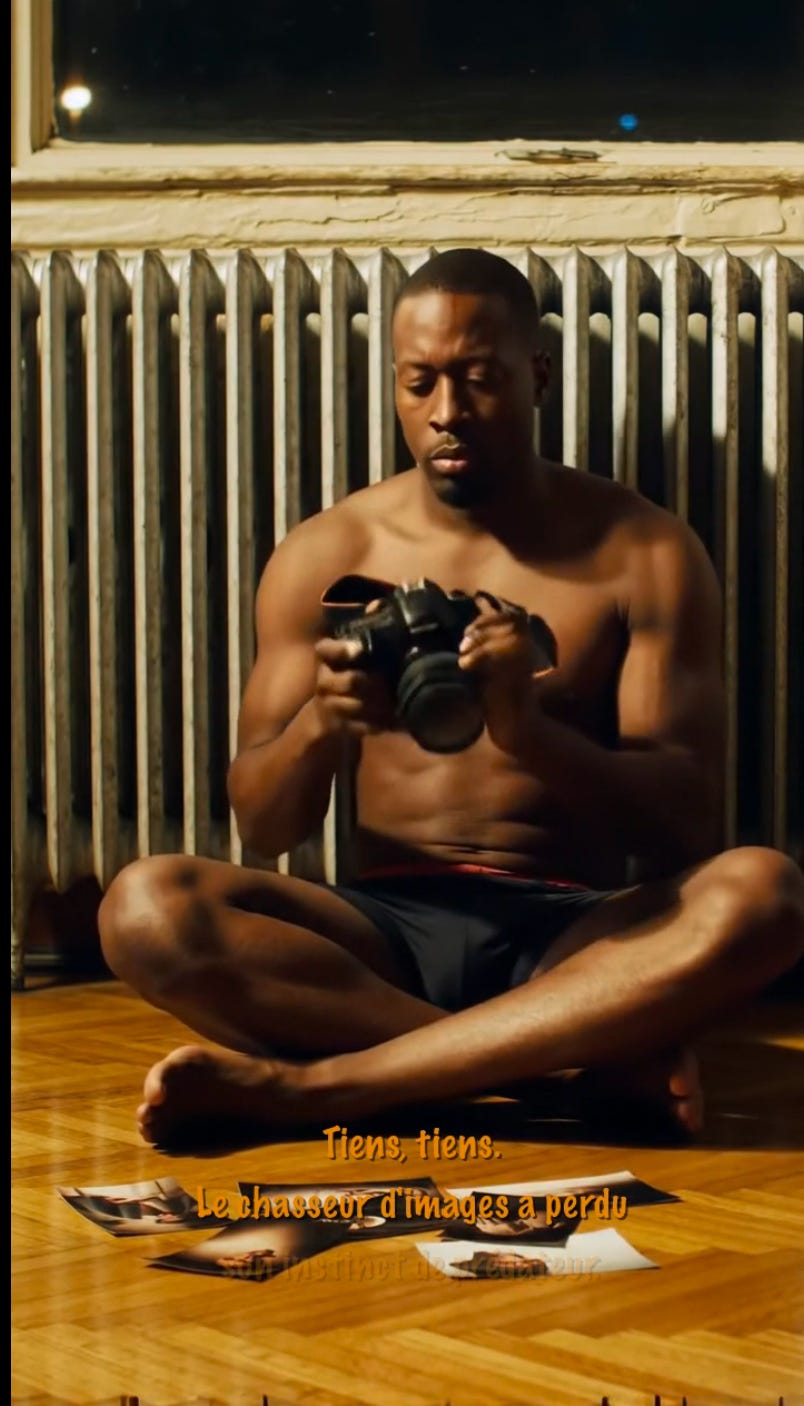
Later, Mistral jumps into the apartment. Except the cat came out grey instead of ginger. And photoreal instead of illustrated. So now I have a Russian Blue doing parkour in what was supposed to be a comic panel.
I kept iterating. Regenerating. Tweaking. The fal.ai bill climbed to about 50 euros. Manageable.
Then I made a mistake with Gemini.
I didn’t fully understand the pricing for Veo 3.1. I thought I was generating a few test clips. Turns out those were at the “Quality” tier, which is 4K, at about $3.20 per clip. And I may have done this more than a few times without checking. By the time I noticed: $70. On four shots.
Total damage: roughly $120. About 50% more than my “smart budget.” I wonder if Patreon has an MCP.
Claude Code stitched all 14 shots together with FFmpeg (I love this tool, I’ve written about it a dozen times, if it were a cat I’d pet it constantly, no kink intended). 90 seconds. 40MB. I watched it. My exact words: “c’est totalement catastrophique lol.”
The character changed appearance every three seconds. Some shots illustrated, some photoreal, some in the uncanny middle. Seedance’s French sounded like the bad dubbing of American Samurai 3, so I tried switching to ElevenLabs, mostly because I’d already paid for a subscription and figured I might as well get something out of it. The text overlays I’d carefully added were doubling up because the AI had already baked similar text into the video. Just bad.
So
People keep saying AI is going to replace artists. Any day now, one person with a laptop will produce Pixar from their couch. I just tried it. What actually happens: you spend two days, $120, and you produce 90 seconds of a cat that can’t stay the same color, a man who keeps changing face, and an eye that heals itself because the AI thinks scars are offensive.
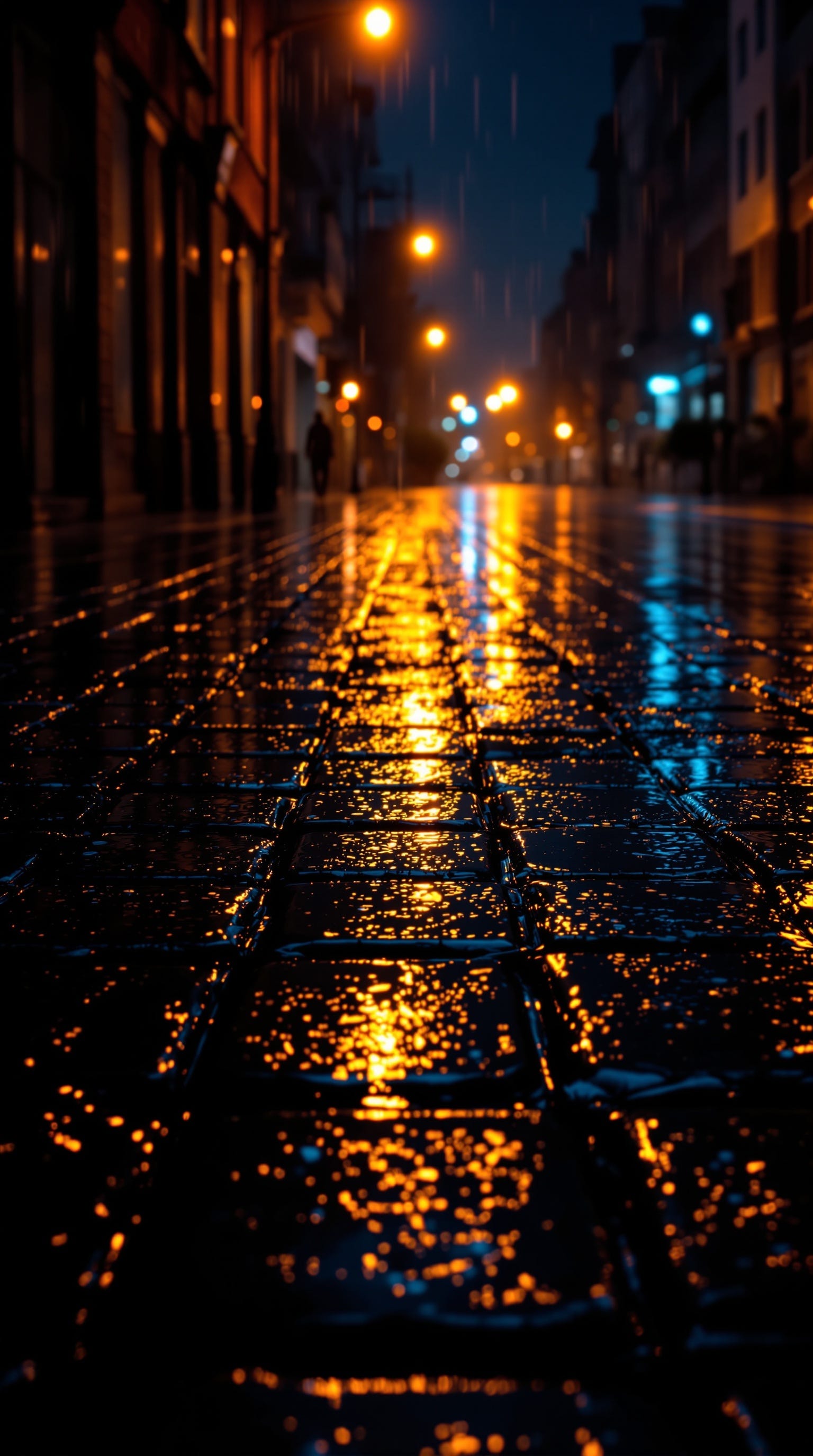
Some of the individual frames were gorgeous, by the way. That’s what’s misleading about AI demos. They show you one frame. One clip. Look how beautiful. And it is. The rain on the cobblestones in the opening shot? Perfect. I’d use it as a wallpaper.
But making 14 shots that hold together? Consistent characters, unified visual style, emotional pacing, a story that tracks from beginning to end? That’s direction. That’s the ability to look at a frame and go “the cat is grey, it should be ginger” or “this man looks too healthy for someone who wants to jump out a window.” The AI generates. It doesn’t really direct. Not in the way you need it to.
And even with me directing (badly), the result was still garbage. Because I’m not an animator. I’m a streaming consultant who writes novels on the side. Giving me access to Seedance and Veo is like giving me access to a Formula 1 car. I technically have the keys. I just stall it immediately. (I also literally don’t have a driver’s license, but that’s another story.)
A real visual artist would have gotten something ten times better with these exact tools. Fewer iterations, better prompts, less money burned. Multiply zero artistic skill by a thousand, still zero. Turns out that’s not how multiplication works in art.
So if you’re an artist worried about AI taking your job: relax. The good artists will stay, because we need them. Maybe more than before. And they’ll definitely be cheaper to hire than letting people like me loose on API pricing tiers I don’t understand.
I’m probably going to try again. Which might be the real problem.
The Open Source Bit
I’m putting the whole thing out there. Storyboard, config file, prompt library, pipeline, budget breakdown, all of it.
If someone with actual animation chops (or just more patience than me) wants to pick this up and see what they can do: go ahead. The novel is on Amazon, the character design exists, the direction is documented, the tools are all accessible. A competent person should spend way less than I did, because a competent person wouldn’t regenerate the same shot six times because the cat keeps turning grey.
GitHub repo: ludobos/feliguard
I’m Ludo. I build things with AI to see what works. This was not that. For the rest: streaming-radar.com.